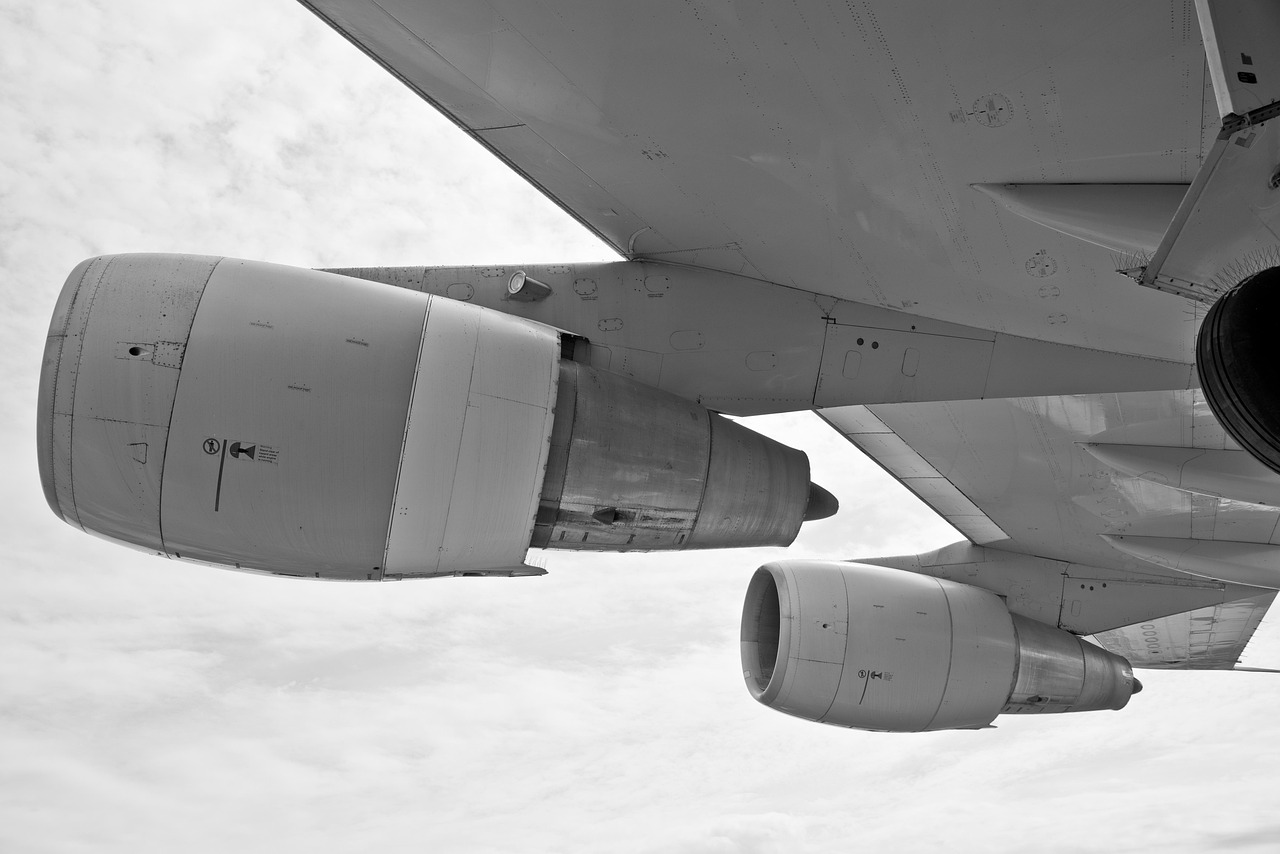
Most governments are looking towards a more sustainable future by 2050. One of the discovered alternatives to conventional fuel is Sustainable Aviation Fuel (SAF). SAF can be made from waste oils and fats, agricultural residues, non-food biomass, or by combining CO₂ with renewable hydrogen. This article gives an overview of SAF and how it’s produced.
What is Sustainable Aviation Fuel?
Sustainable Aviation Fuel is an alternative to conventional fuel that can reduce CO2 emissions by 80% when produced from certain waste feedstocks. It is a renewable fuel that can be produced in a variety of ways, but the most widely used SAF production pathway today relies on waste cooking oils, fats, and residues as feedstocks. Some governments, such as the United Kingdom (UK) and the European Union (EU), have regulations in place to ensure that fuel suppliers blend in SAF.
For example, the UK SAF mandate, which started in 2025, ensures two percent of fuel produced for UK flights is SAF, and this is expected to increase to 10% by 2030 and more before 2050. Under regulatory frameworks such as the UK SAF mandate, SAF must meet minimum lifecycle greenhouse gas emissions reduction thresholds compared with conventional jet fuel and must not compete with food for humans or animals.
How is it produced?
ASTM international, a standardization organization that develops technical standards for materials, products, systems and services, is based in the United States (US). ASTM International recognises several approved SAF production pathways under its fuel specification, some of the most common production methods are:
- Hydro-treated Esters and Fatty Acids (HEFA): a process of refining vegetable oils and waste oils into SAF through hydro-treating and hydro-processing. EcoCeres is an SAF supplier that uses the same method.
- Power to Liquid (PtL) or eFuels: SAF is produced using hydrogen and captured carbon dioxide to create synthetic fuels using renewable electricity.
- Alcohol to Jet (AtJ): Produces SAF through the removal of oxygen from alcohols such as ethanol and isobutanol and then linking the molecules together.
SAF is still a new market currently under development, most of the challenges encountered include cost, lack of materials, and regulatory frameworks. Despite being a safer option to the environment than conventional fuel, SAF is more costly than conventional fuel, and needs more policies and regulatory frameworks to further support its development.
What other alternative ways do you believe SAF can be produced? Leave your comments below.